Halide Silver Photographic Paper (Width > 610mm)
CN → US| HS Code | Tariff Rate | Origin | Destination | Doc |
|---|---|---|---|---|
| 9006690150 | 10.0% | CN | US | Official Doc |
| 3703103090 | 38.7% | CN | US | Official Doc |
| 3703103060 | 38.7% | CN | US | Official Doc |
| 3703103060 | 38.7% | CN | US | Official Doc |
| 3703103090 | 38.7% | CN | US | Official Doc |
Product Images
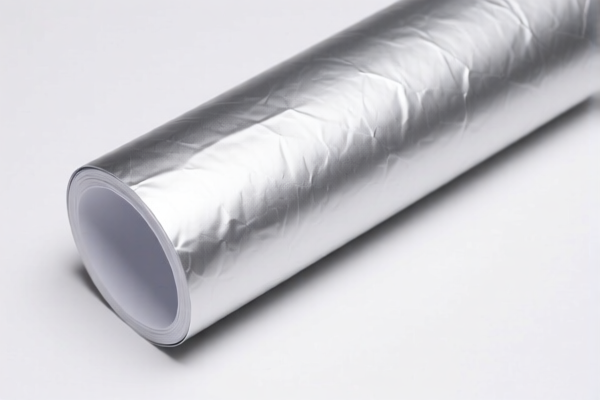
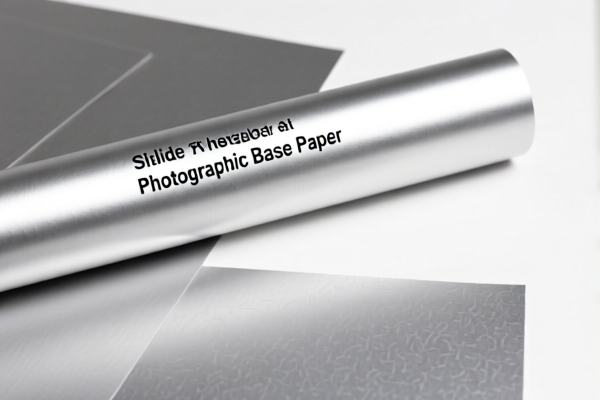
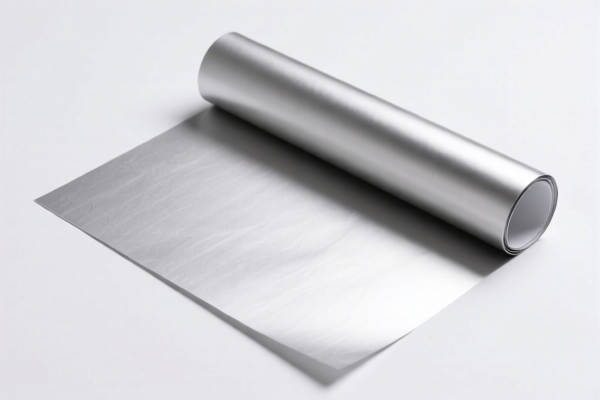
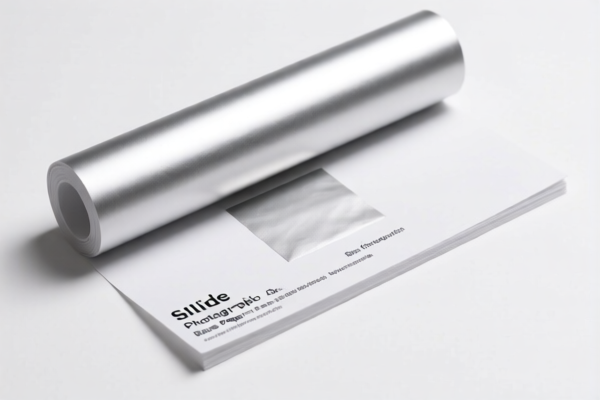
AI Analysis
📸 Halide Silver Photographic Paper (Width > 610mm)
🌐 HS Code Reference & Customs Clearance Guide | 2026 Latest Tariff Analysis | Professional Clearance Strategy
📌 1. Product Definition & Classification: What Exactly Is "Photographic Paper"?
Halide Silver Photographic Paper is a specialized material used for creating high-resolution images through chemical processes. In international trade, it is categorized based on its physical format (rolls vs. sheets) and its intended use (line reproduction vs. continuous tone/pictorial).
Key Distinction Criteria: * Width: Must exceed 610 mm (to be classified under specific roll formats). * Sensitization: Must be "sensitized, unexposed" (already coated with light-sensitive silver halide emulsion). * Application: * Line Reproduction: Used for technical drawings, blueprints, or text-heavy documents (high contrast, no grayscale gradients). * Pictorial Use (Continuous Tone): Used for artistic photography, portraits, or images requiring smooth grayscale transitions.
⚠️ Critical Classification Point:
- If the paper is for technical/line reproduction →归入 3703.10.30.90
- If the paper is for artistic/pictorial (continuous tone) use →归入 3703.10.30.60
📦 2. HS Code Classification Details (2026 Latest Tariff Authority Comparison)
| HS Code | Product Description | Application Scenario | Key Feature |
|---|---|---|---|
3703.10.30.90 |
Silver halide papers for line reproduction (rolls > 610mm) | Technical diagrams, blueprints, office documents, text output | ✅ High contrast, no grayscale |
3703.10.30.60 |
Silver halide papers for pictorial use (continuous tone) (rolls > 610mm) | Artistic photography, portraits, fine art prints, gallery works | ✅ Smooth grayscale gradients |
9006.99.00.00 |
Parts and accessories for photographic cameras | Camera lenses, mounts, internal components | ❌ Not paper |
9006.69.01.50 |
Photographic flashlights and bulbs | Flash units, light sources | ❌ Not paper |
🔍 Important Reminder:
- Do not confuse with "photographic film" (heading 3702) or "printed photographs" (heading 4911). This category is strictly for raw, sensitized, unexposed paper. - If the paper width is ≤ 610 mm, it falls under different subheadings (not listed in this data), so width verification is crucial. - "Other" in the description refers to papers not specifically excluded in higher-level subheadings.
💰 3. 2026 Latest Tariff Rate Details (Including Additional Taxes, Policy Add-ons)
✅ Applicable Country: United States (US)
✅ Origin: China (CN)
✅ Effective Time: 2025 November 10 onwards (including subsequent imports)
🎯 1. 3703.10.30.90 —— Silver Halide Paper for Line Reproduction
| Item | Content |
|---|---|
| Base Tariff | 3.7% (ad valorem) |
| Section 301 Additional Tariff | +25.0% (USITC Footnote 9903.88.01) |
| Total Tax Rate | 28.7% |
| Tax Calculation | CIF Value × 28.7% |
| De Minimis Exemption Eligible? | ❌ No (deny_de_minimis) |
| Legal Basis Path | USITC:3703.10.30.90 → FOOTNOTE:9903.88.01 |
📌 Explanation:
- The 3.7% is the standard Most Favored Nation (MFN) base tariff. - The 25.0% is the additional tariff imposed under Section 301 of the Trade Act of 1974 on Chinese goods. - Total 28.7% is a significant cost factor. Must be factored into pricing strategies.
🎯 2. 3703.10.30.60 —— Silver Halide Paper for Pictorial Use (Continuous Tone)
| Item | Content |
|---|---|
| Base Tariff | 0.0% (ad valorem) |
| Section 301 Additional Tariff | 0.0% |
| Total Tax Rate | 0.0% |
| Tax Calculation | CIF Value × 0.0% = $0 |
| De Minimis Exemption Eligible? | ✅ Yes (potentially, depending on value threshold) |
| Legal Basis Path | USITC:3703.10.30.60 |
📌 Note:
- This category enjoys a duty-free status. - This is a major cost advantage for artistic fine-art photography supplies. - Ensure the product description clearly states "For Pictorial Use" or "Continuous Tone" to avoid misclassification.
🛠️ 4. Customs Clearance Practical Advice (Battle-Tested Pitfall Avoidance Guide)
✅ 1. Required Documentation Checklist (Non-negotiable)
| Document | Mandatory? | Description |
|---|---|---|
| ✅ Product Specification Sheet | ✔️ | Must specify: Width (>610mm), Sensitization status (unexposed), Intended Use (Line vs. Pictorial). |
| ✅ Commercial Invoice | ✔️ | Clearly state "Sensitized, Unexposed Photographic Paper, Silver Halide". |
| ✅ Packing List | ✔️ | Detail roll dimensions, core size, and number of rolls. |
| ✅ Certificate of Origin (CO) | ✔️ | If applicable, to verify Chinese origin for tax calculation. |
| ✅ Safety Data Sheet (SDS) | ✔️ | Photographic chemicals may require SDS for transport compliance. |
✅ 2. Declaration Tips (Key Mantras)
🔥 "Width Over 610, Use Matters for Tax: Line 28.7%, Art 0%!"
| Scenario | Correct Declaration | Error to Avoid |
|---|---|---|
| Technical Blueprints Paper | HS: 3703.10.30.90, Description: "For Line Reproduction" |
Mislabeling as "Art Paper" → 0% tax risk (Audit Risk) |
| Fine Art Photo Paper | HS: 3703.10.30.60, Description: "For Pictorial Use, Continuous Tone" |
Mislabeling as "Line Paper" → 28.7% tax (Overpayment) |
| Paper Width ≤ 610mm | Different HS Code (Not in this data) | Using >610mm codes → Classification Error |
| Unexposed Film | HS Code 3702.xxxx | Confusing "Paper" with "Film" → Rejection |
✅ 3. Special Case Handling
| Situation | Handling Advice |
|---|---|
| Mixed Orders (Line + Pictorial) | Split Declaration! Do not bundle into one line item. Declare separately by HS Code to apply correct rates. |
| Sample Rolls | Even for samples, if sensitized, they are subject to classification. However, if value is below de minimis, 3703.10.30.60 is safer due to 0% tax. |
| OEM Custom Printing | If the paper is pre-printed with patterns but not exposed, it may still be considered "photographic paper." However, if it's printed with images, it becomes a "printed photograph" (4911), changing the tax profile entirely. |
| Chemical Safety | Silver halide emulsion is generally stable, but ensure packaging meets UN transport standards for "Not Otherwise Specified" hazardous materials if required by carrier. |
🌍 5. Global Market Clearance Comparison (2026 Latest)
| Country/Region | Recommended HS Code | Tariff (China Origin) | Certification Requirement | Remarks |
|---|---|---|---|---|
| 🇺🇸 USA | 3703.10.30.90 / 3703.10.30.60 |
28.7% / 0% | N/A | Critical distinction between line and pictorial use. |
| 🇨🇳 China | 3703.10.30.90 / 3703.10.30.60 |
~3.7% / ~0% | N/A | Base tariffs are lower than US. |
| 🇪🇺 EU | 3703.10.30 |
0% | N/A | Generally duty-free for photographic paper. |
| 🇬🇧 UK | 3703.10.30 |
0% | N/A | Post-Brexit alignment with EU standards. |
| 🇦🇺 Australia | 3703.10.30 |
5% | N/A | Moderate tariff. |
📌 Conclusion:
- USA is the only major market with significant differentiation in tax rates (28.7% vs 0%) based on product use. - EU, UK, Australia, and China generally have low or zero tariffs for this category, making them less sensitive to the "Line vs. Pictorial" distinction for cost purposes (though classification accuracy remains vital for data/statistics). - Strategic Advice: If exporting to the US, ensure pictorial/continuous tone papers are clearly documented to benefit from the 0% tariff. Line reproduction papers are heavily taxed.
📌 6. Common Errors & Pitfall Guide (Lessons Learned the Hard Way)
❌ Error 1: Mixing "Line Reproduction" and "Pictorial Use" papers in one declaration line
👉 Consequence: Customs may apply the higher rate (28.7%) to the entire shipment, or flag for audit.
Fix: Separate lines on the invoice and customs entry.
❌ Error 2: Stating "Photographic Paper" without specifying "Sensitized, Unexposed"
👉 Consequence: Customs may classify as "Printed Material" (Chapter 49), leading to delays and incorrect duty assessment.
Fix: Always use the exact phrase: "Sensitized, Unexposed Silver Halide Photographic Paper."
❌ Error 3: Ignoring the Width Specification
👉 Consequence: If width is ≤ 610mm, the HS Code is wrong.
Fix: Verify width in millimeters. >610mm is mandatory for these specific codes.
❌ Error 4: Assuming All Photographic Paper is Tax-Free
👉 Consequence: Misclassifying line paper as pictorial → 28.7% underpayment → Penalties + Back Taxes.
Fix: Strictly differentiate between technical (line) and artistic (pictorial) applications.
✅ Correct Declaration Example:
"Sensitized, Unexposed Silver Halide Photographic Paper, in Rolls, Width 762mm (>610mm), For Pictorial Use (Continuous Tone), Model XYZ, 10 Rolls"
🎯 7. Conclusion: Professional Declaration Saves Money!
🎯 Remember the Mantra:
🔹 "Line Paper Pays (28.7%), Art Paper Goes Free (0%). Width Over 610, Check Use First!"
🔹 "HS Code Determines Tax, Description Determines Truth. Get it Wrong, Pay More!"
📌 Pro Tip:
If you are exporting pictorial/continuous tone paper to the US, emphasize its artistic/creative use in your marketing materials and invoices. For line reproduction paper, factor the 28.7% duty into your cost structure immediately.
📣 Immediate Action:
📞 Consult with a licensed customs broker
📄 Prepare accurate product descriptions (Line vs. Pictorial)
🚀 Ensure width > 610mm is clearly marked on packaging and invoices.
✨ Professional Clearance Starts with Accurate Classification!
💼 Your Margin Depends on the Correct HS Code!
Customer Reviews
About HS Code Classification
The Harmonized System (HS) is an internationally standardized nomenclature developed by the World Customs Organization (WCO) to classify traded products. Over 200 countries use the HS system as the basis for customs tariffs, trade statistics, and import/export regulations.
Each HS code follows a hierarchical structure:
- Chapter (2 digits) — Broad category of goods (e.g., Chapter 84: Machinery and Mechanical Appliances)
- Heading (4 digits) — More specific grouping within the chapter
- Subheading (6 digits) — Internationally standardized breakdown, used by all WCO member countries
- National subdivisions (8-10 digits) — Country-specific extensions for further classification, such as US HTSUS 10-digit codes
Correct HS code classification is essential for smooth customs clearance, accurate duty payment, and compliance with trade regulations. Misclassification can lead to customs delays, overpayment of duties, or penalties.
When importing from CN to US, the applicable tariff rates may include:
- Most-Favored-Nation (MFN) rate — The standard duty rate applied to WTO members
- General rate — Applied to countries without trade agreements
- Trade remedy duties — Additional tariffs such as Section 301 (anti-dumping), Section 232 (national security), or countervailing duties
The information provided on this page is for reference purposes only. For official classification, please consult with your local customs authority or a licensed customs broker.